
After three years of research, technology development and collaboration across Europe, the nanoSCAN project is coming to an end. Bringing together five partners (CNRS/ISMO, Politecnico di Milano, IFN-CNR, Abbelight and Laserlab-Europe) from France, Italy and Belgium, the EIC Transition-funded project (GA ID: 101136680) has advanced new imaging technologies for spatial biology – from photonic chips for structured illumination to multiscale imaging platform integrating mm-to-nm resolution.
Launched in October 2023, nanoSCAN set out to address a major challenge: advancing nanoscale 3D imaging technologies to support breakthroughs in spatial biology and precision medicine. The objective of the consortium was two-fold: development of the SAFe-nSCAN multiscale platform, combining photonic chips, microfluidics, and super-resolution imaging (SMLM, ModLoc) to analyze biological samples from tissue level down to molecular details, and creation of LUMNORA, spin-off of POLIMI and CNR, to commercialize the innovative photonic chip technology.
Over the three years, the partners improved the key technical components required to address spatial biology market needs. Indeed, actual approaches are limited by the single-cell level resolution, while SAFe-nSCAN technology spans full observational scales, up to single molecules (SMLM). Developments included integrated photonic devices for generation of structured illumination patterns, advanced modulated excitation technique (ModLoc) that doubles the SMLM resolution and improves in-depth imaging, as well as imaging and reconstruction methods and their integration and testing within prototype systems. Technology validation extended beyond the individual partner laboratories through staff exchanges and external collaboration, including testing of nanoSCAN’s integrated photonic pattern generator for 2D and 3D SIM at the Leibniz Institute of Photonic Technology (IPHT) in Jena.
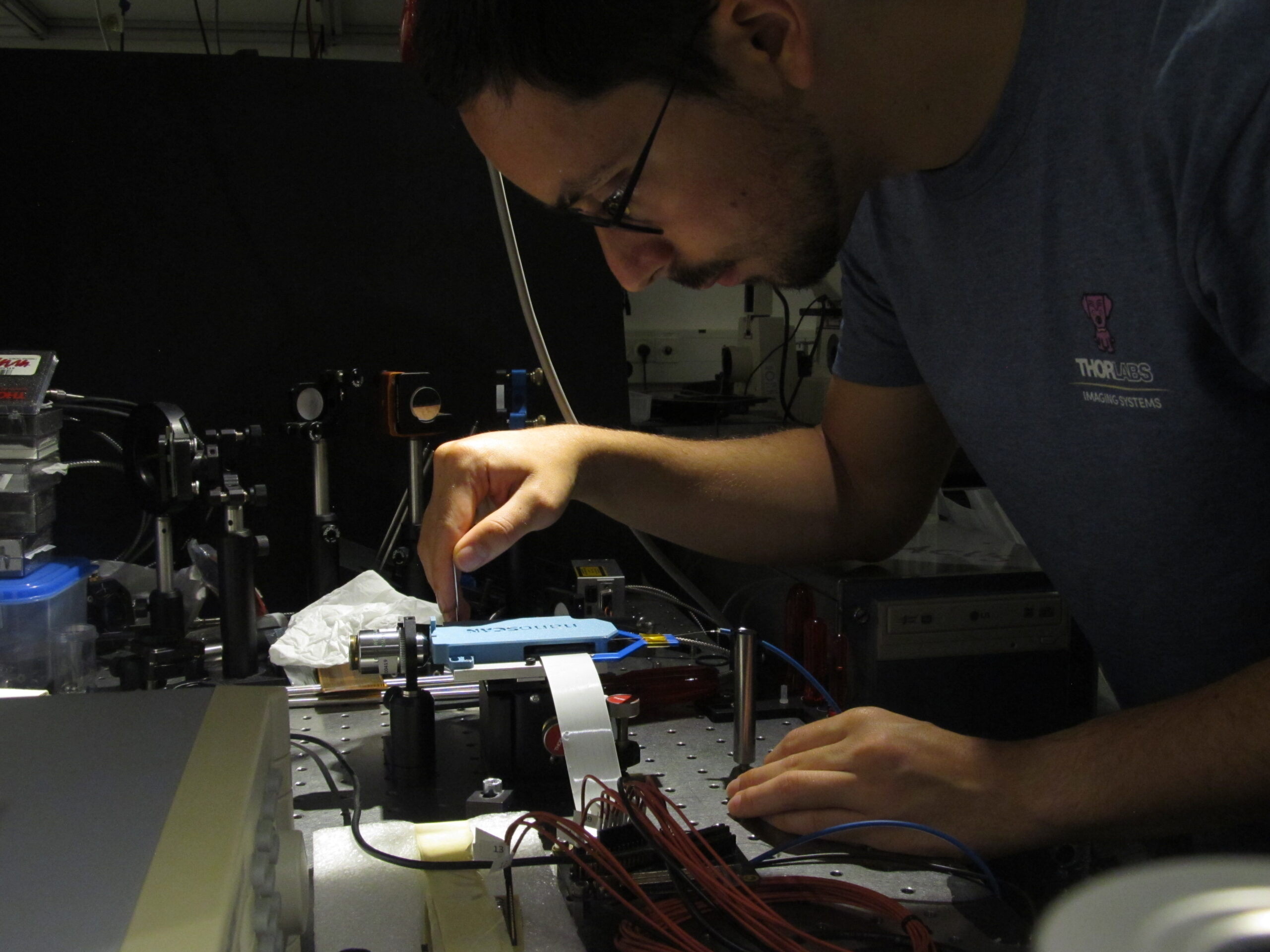
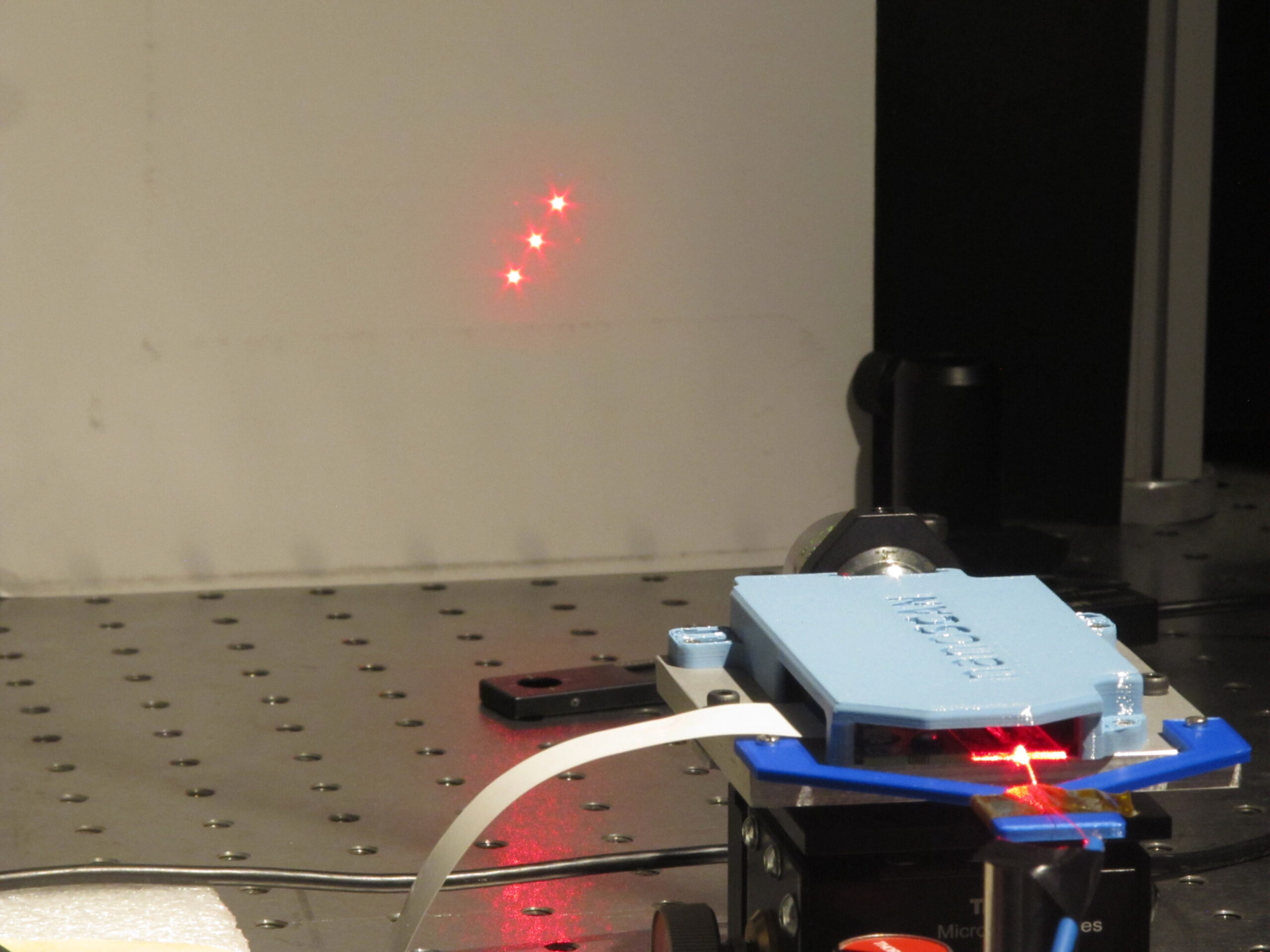


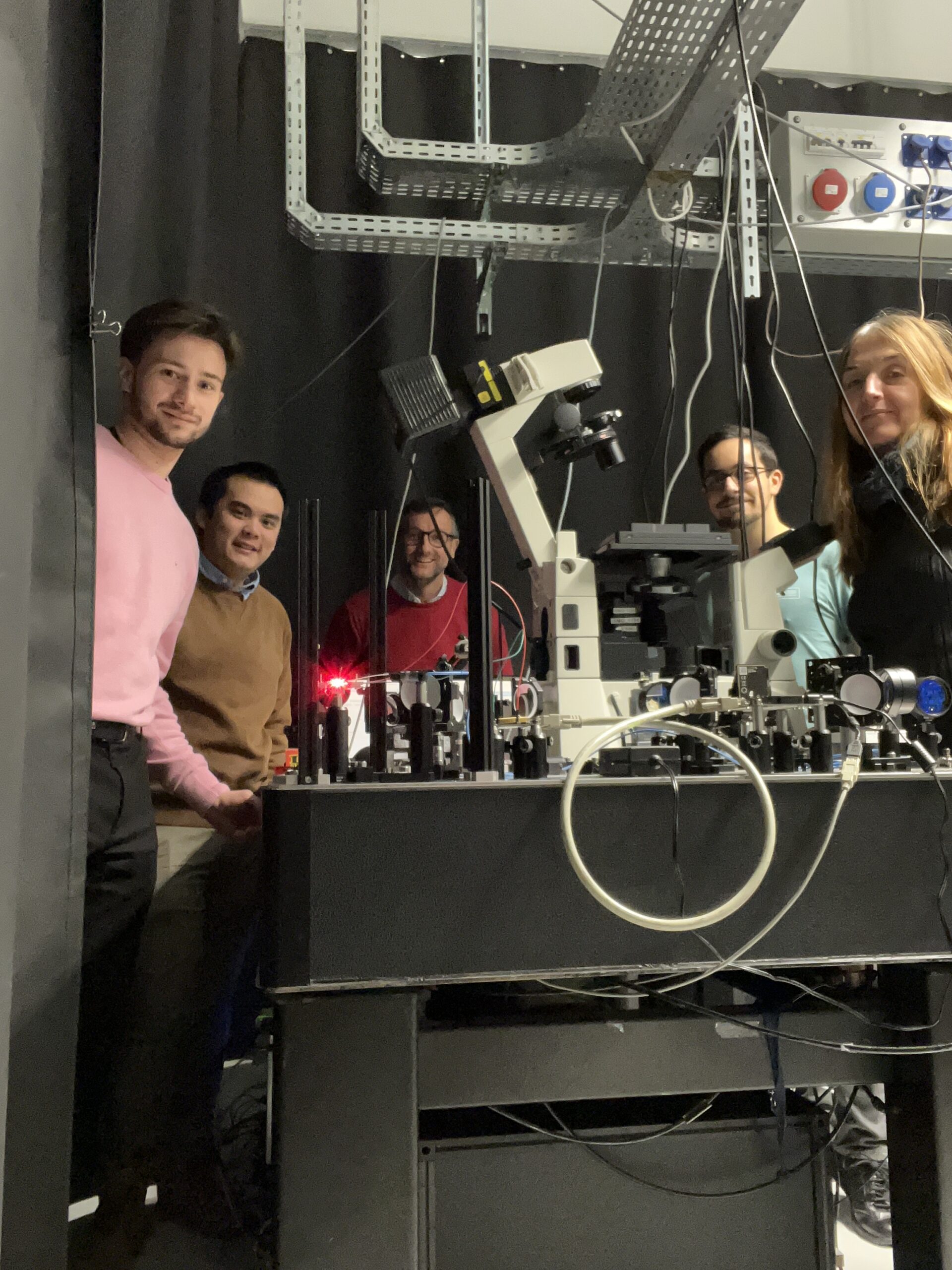
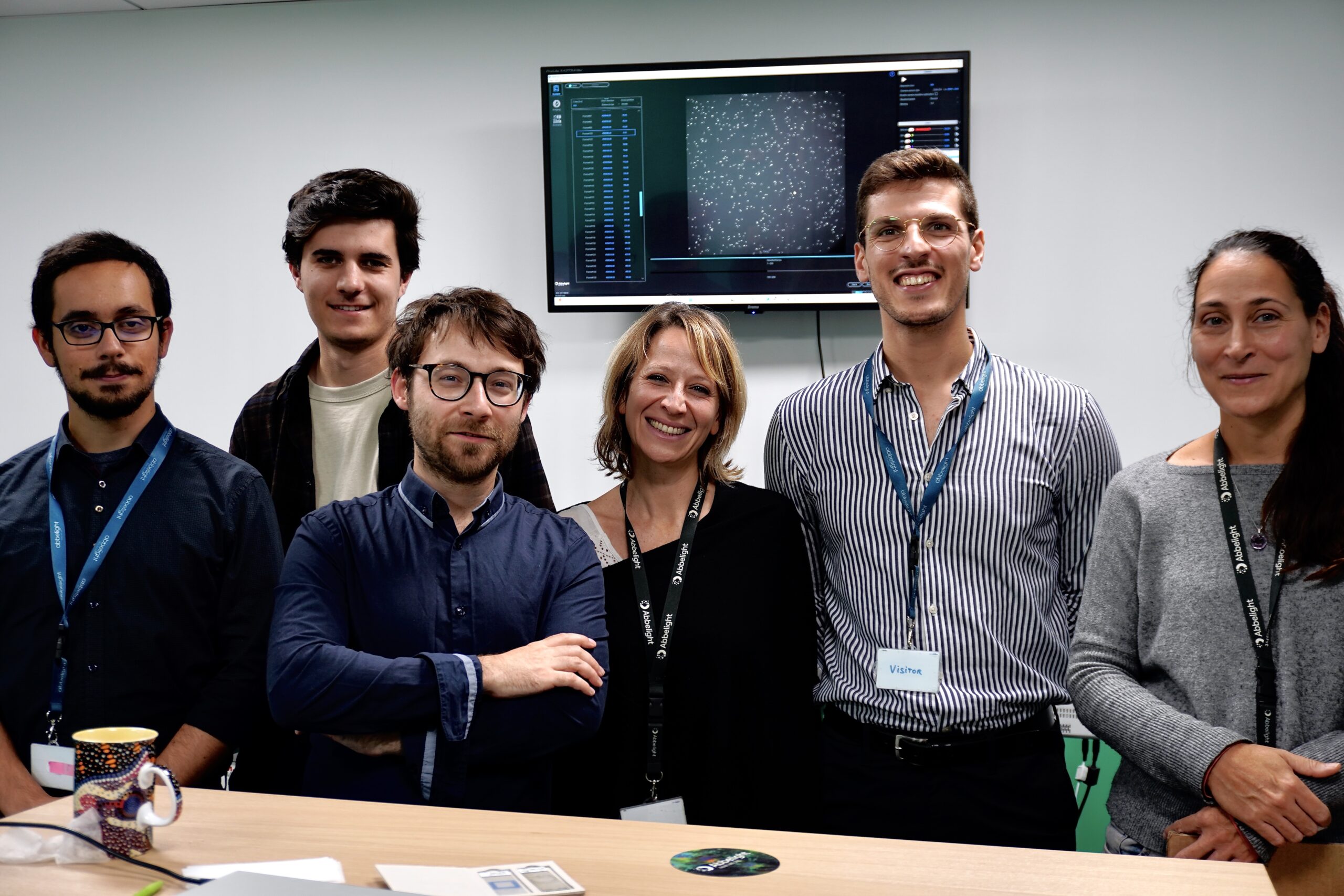
nanoSCAN results were shared with the scientific community through publications, international conferences and technology demonstrations. On 16 September 2026, Francesca Bragheri from IFN-CNR presented the Laserlab-Europe Talk “Femtosecond laser fabricated glass photonic integrated circuits for structured illumination microscopy” as a final activity. The online talk highlighted the development of integrated photonic circuits for advanced microscopy illumination and brought one of nanoSCAN’s central technological developments to the wider laser and photonics community.

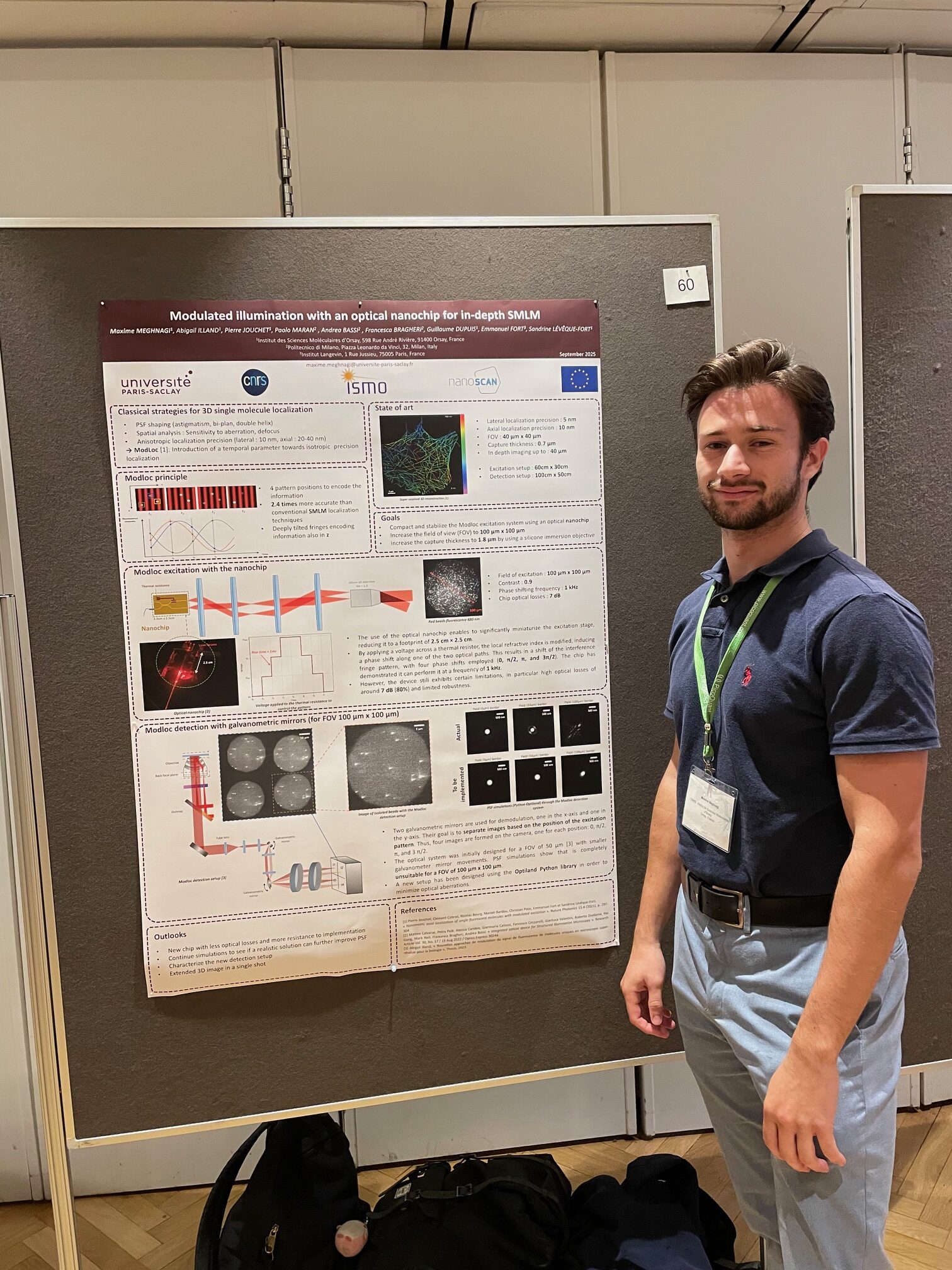
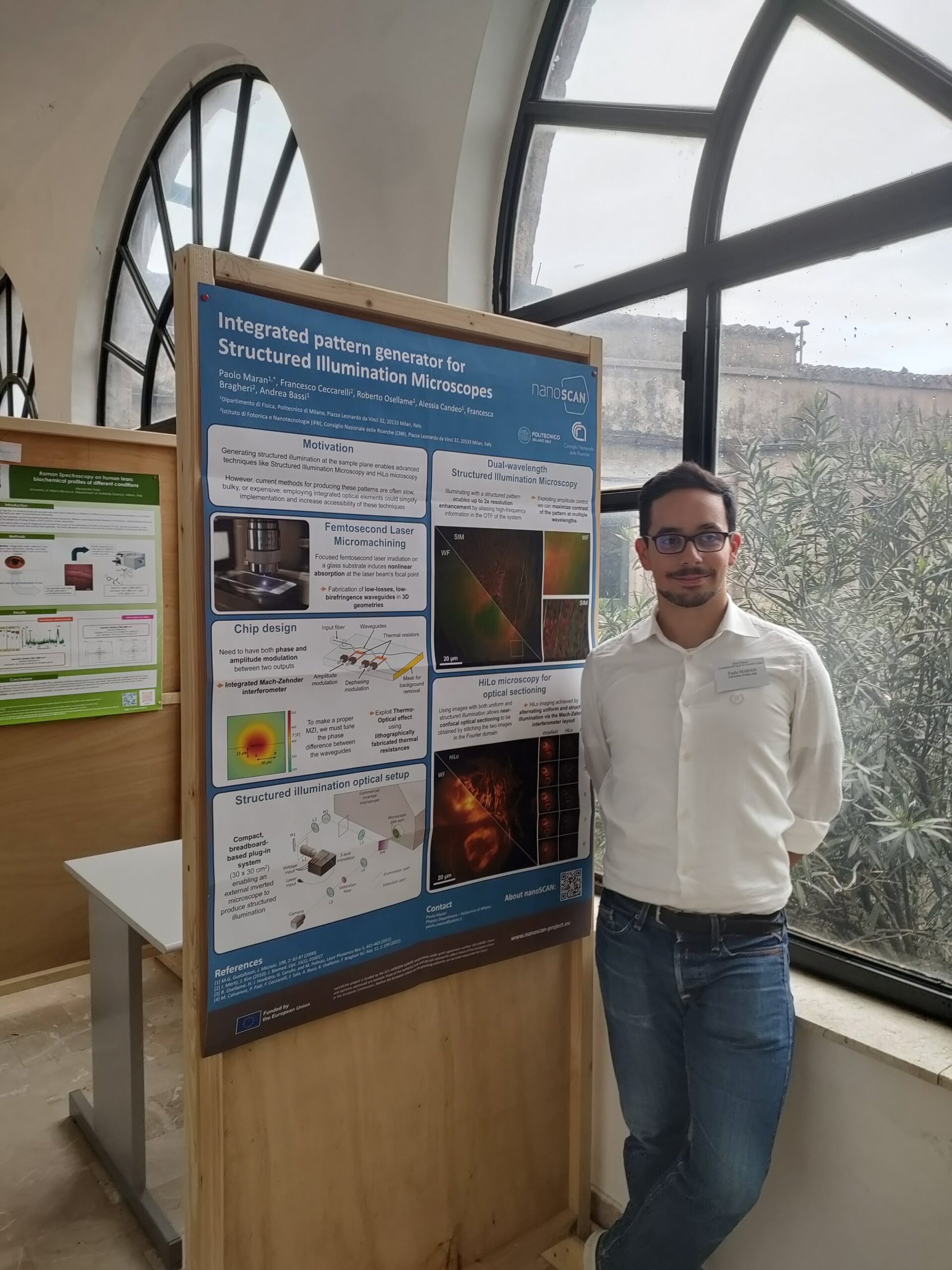
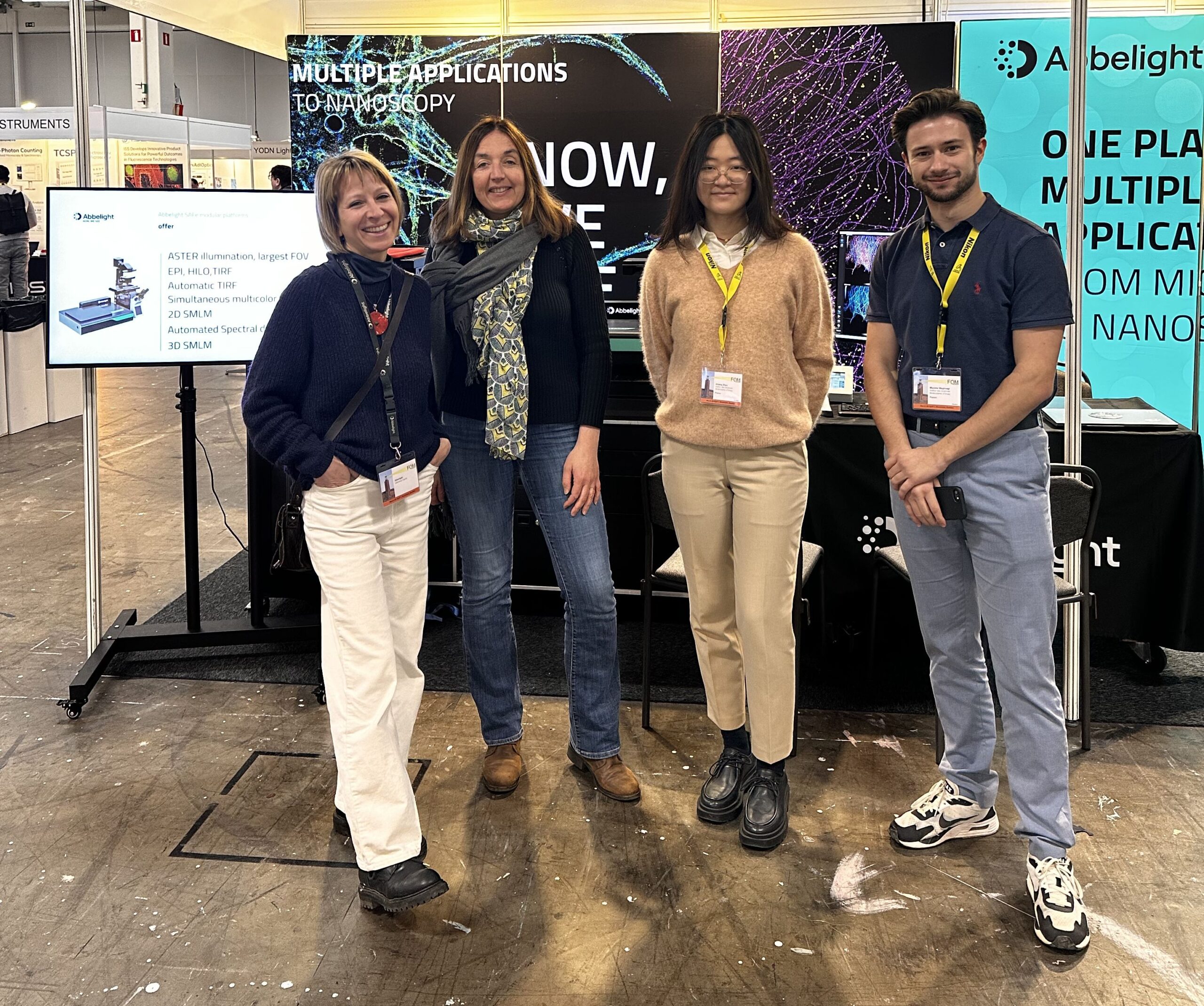
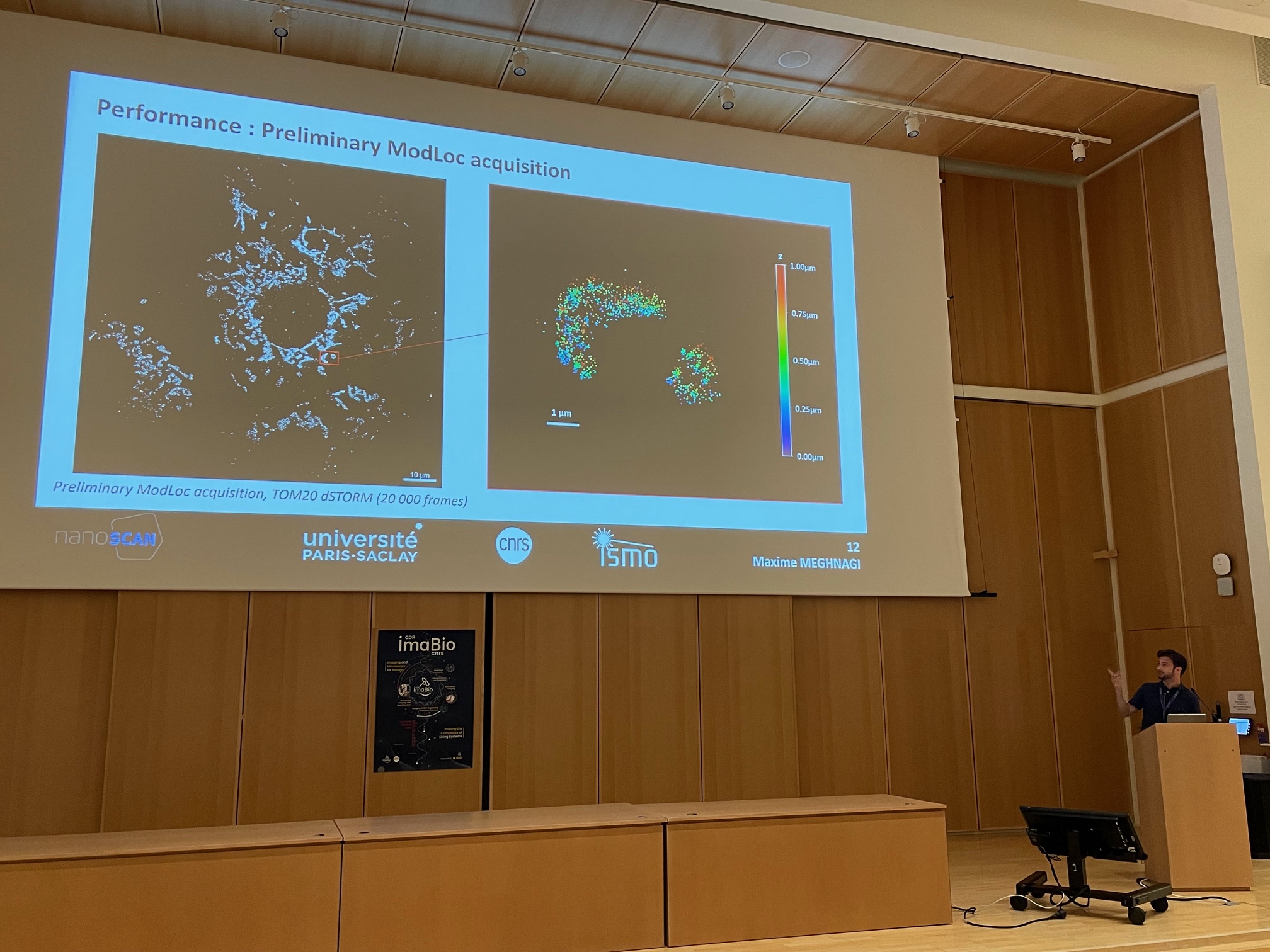
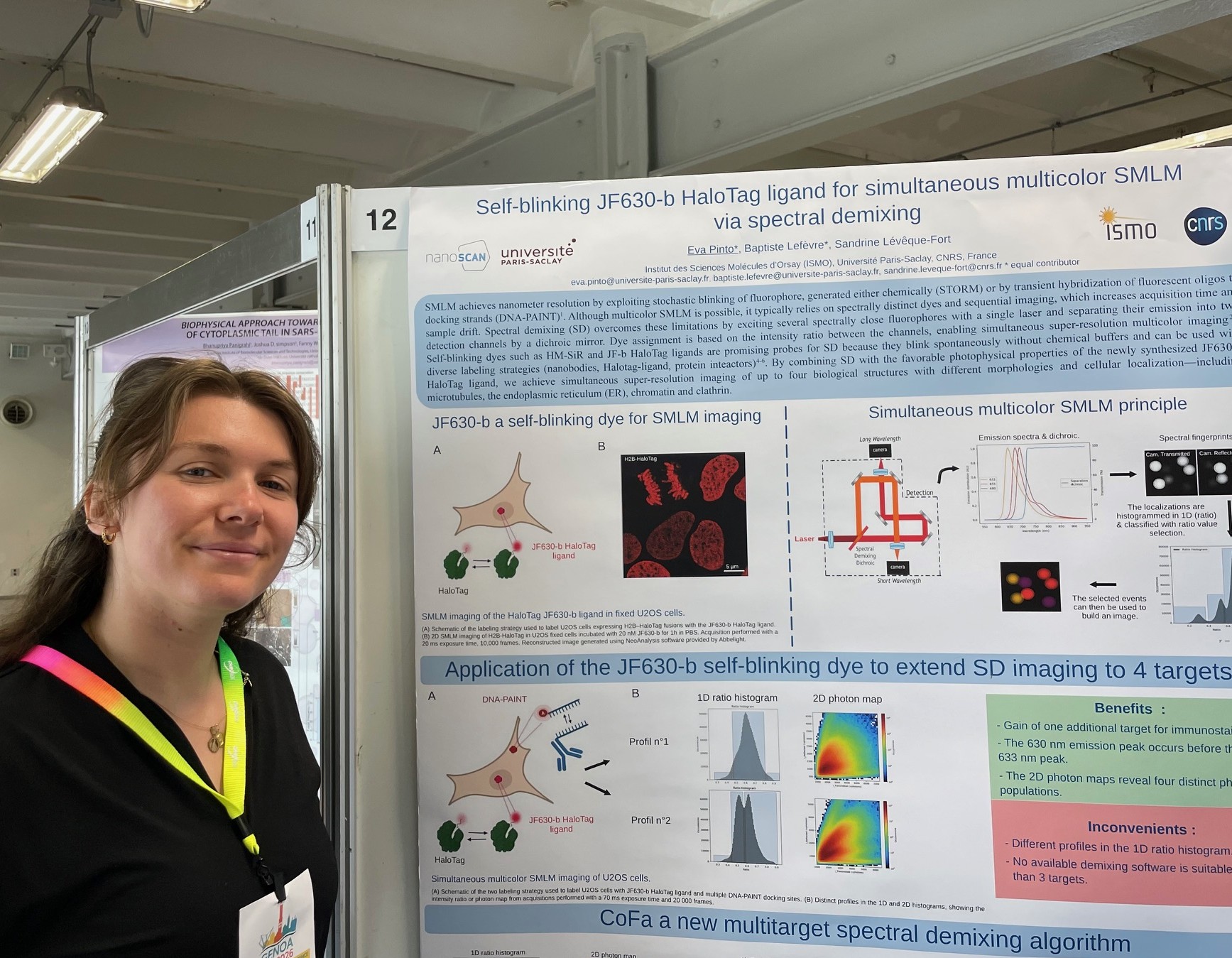
The consortium came together for its final project meeting on 18 September 2026 at the Max Born Institute in Berlin, home of the Laserlab-Europe coordination office, to review the achievements of the past three years, discuss the final results and look ahead to how the technologies and knowledge developed within nanoSCAN can be taken forward beyond the project.
One of the direct outcomes of nanoSCAN is the creation of Lumnora, a new deep-tech startup in precision medicine transforming chip technology into a concrete tool for the analysis of extracellular vesicles (EV) in liquid biopsies. Building on expertise and technological developments generated in the context of nanoSCAN, the startup is taking this knowledge in a new direction, with application focus that extends beyond the original nanoSCAN concept.
While the nanoSCAN project comes to an end, the work on its results will continue. The technologies, expertise and collaborations built over the past three years provide a solid foundation for further research, validation and industrial exploitation beyond the project.


About nanoSCAN
nanoSCAN – Revolutionising Spatial Biology with a cutting-edge Multi-Scale Imaging Platform – was funded by the European Union’s Horizon Europe programme under the European Innovation Council (EIC Transition), Grant Agreement No. 101136680. The project ran from October 2023 to September 2026 and brought together CNRS/ISMO, Politecnico di Milano, IFN-CNR, Abbelight and Laserlab-Europe.
